
Performances (2007–2023) – The Body as Artwork
Beatriz Millar’s performative practice marks a structural shift in her work: the body ceases to function solely as an instrument and becomes artwork, medium, and site of transformation.
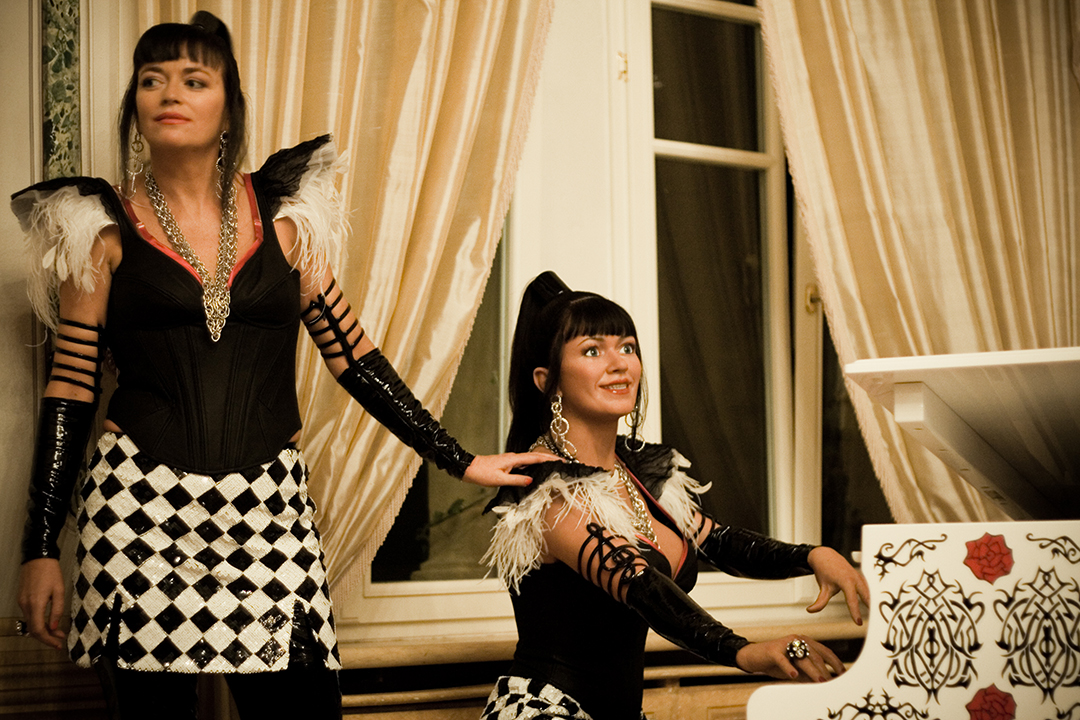
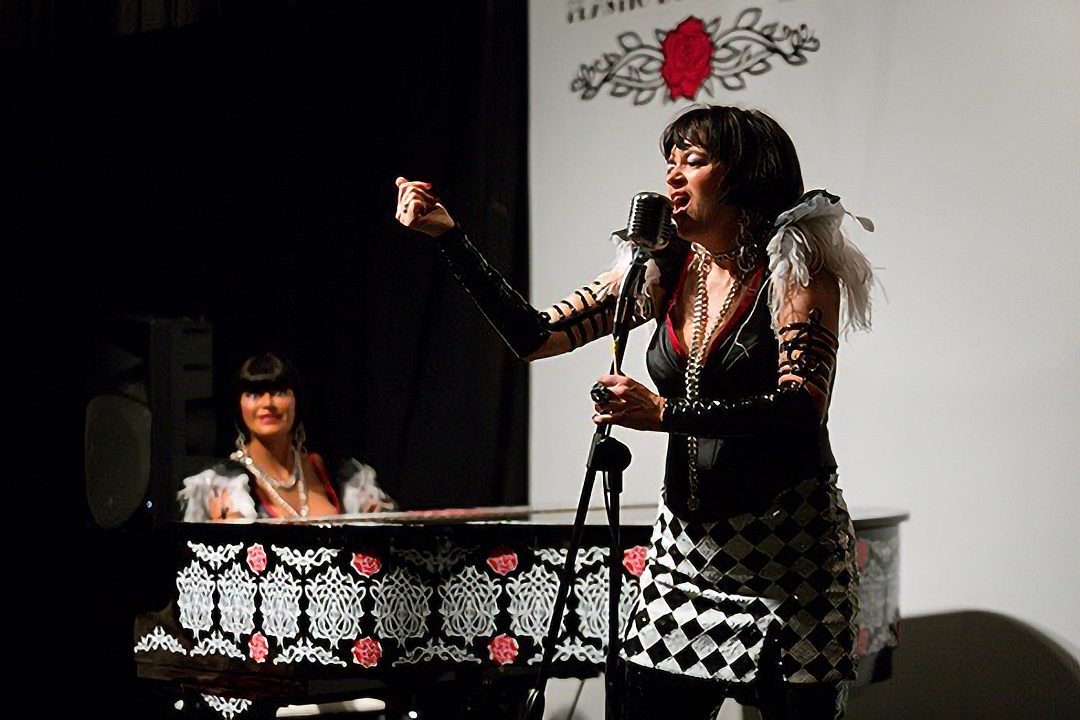
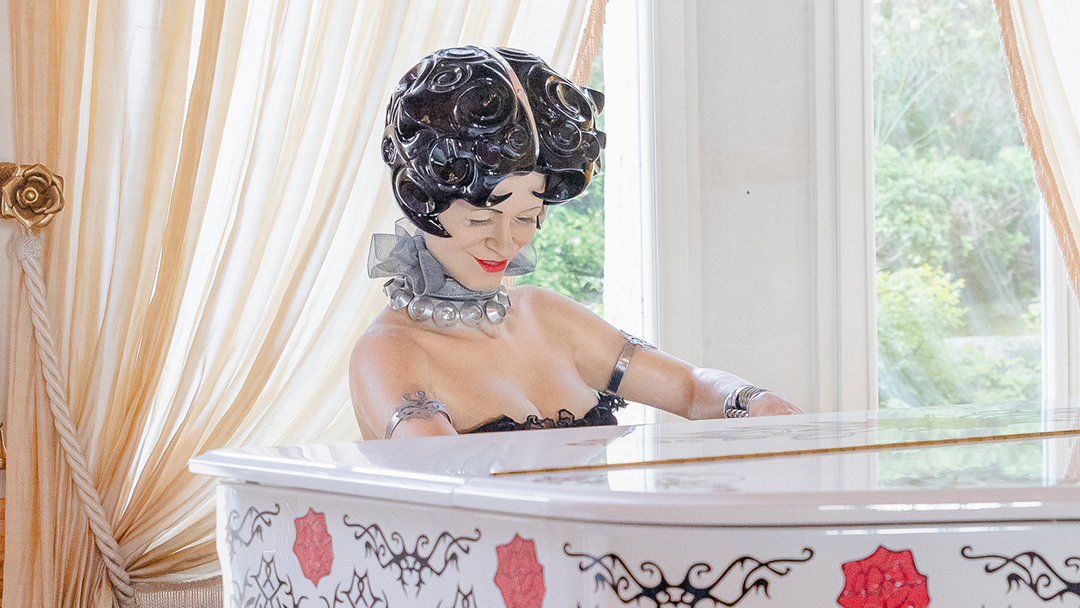
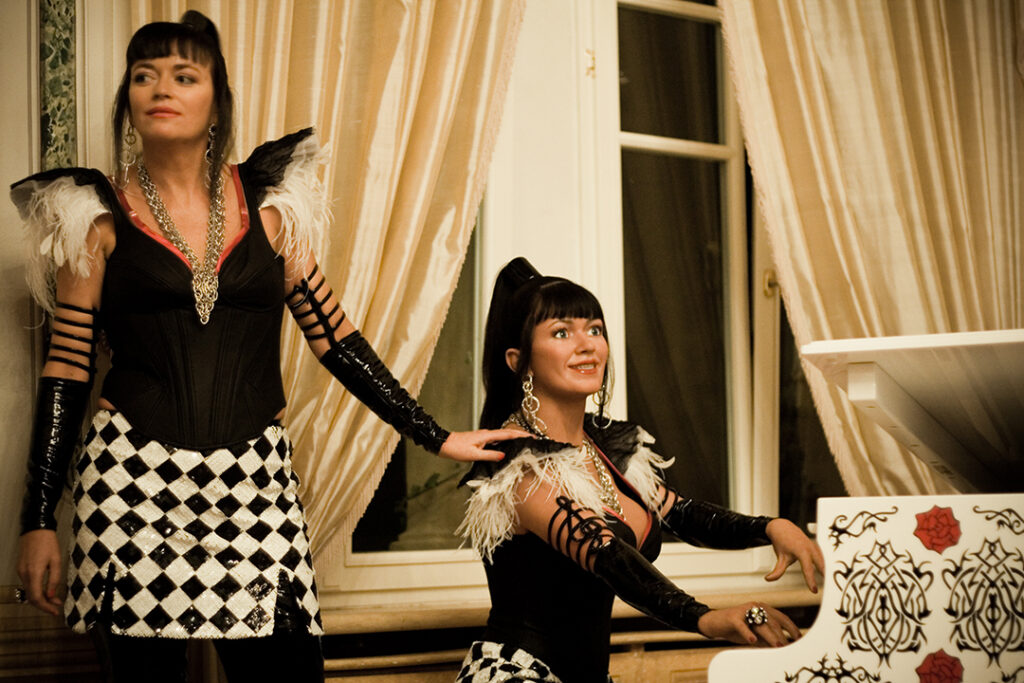
The first performance took place at the Byblos Art Hotel in Verona (2007) with Clown Clone and the Piano Tattoo, later presented at the Palazzo dei Congressi in Rome (2008). The alter ego was constructed using silicone skin, feathers, and sequins. Costume and disguise functioned as mechanisms of identity construction rather than concealment.
In Bologna (2010), within a boudoir setting, BEATRIZIFAL’s Tarot positioned the artist as a reader and mediator of symbolic systems. The performance established an intimate encounter structured around archetypal imagery and narrative exchange.
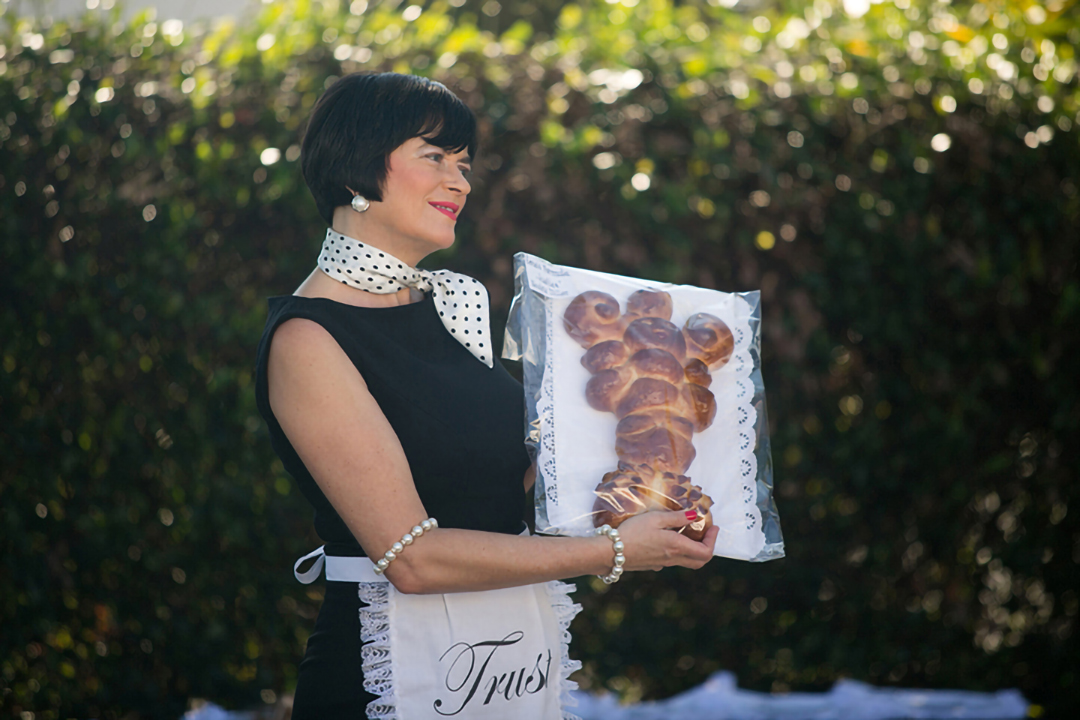
In Turin (2012) Lux Mater introduced a ritual framework: dressed in red and white, wearing an apron marked with the virtue “charity” and reciting the Lord’s Prayer in Aramaic, the artist enacted the formation of bread figures. The performance articulated transformation through gesture, repetition, and material process.
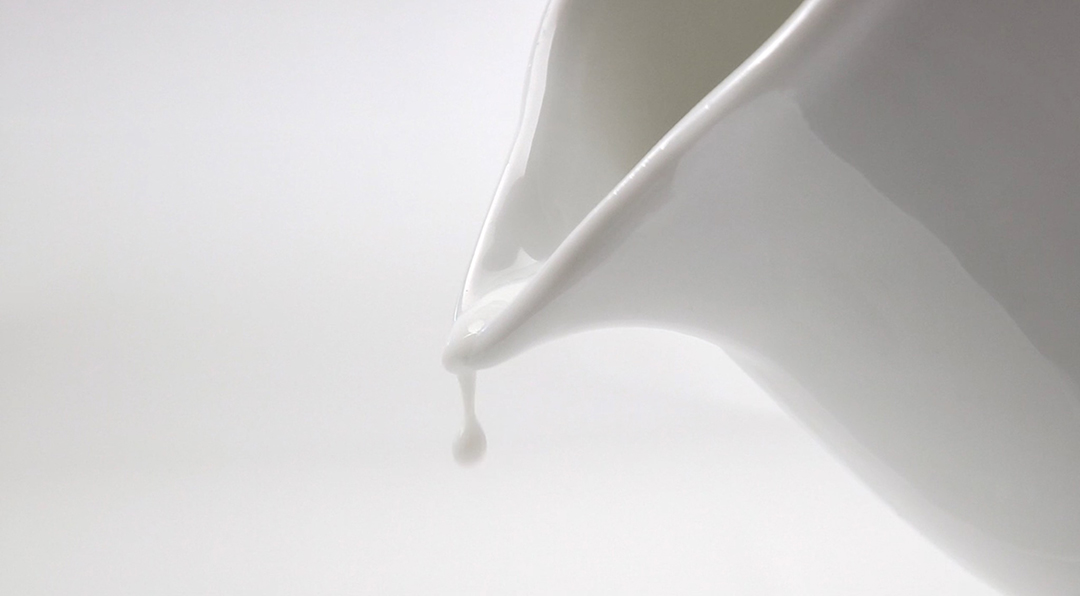
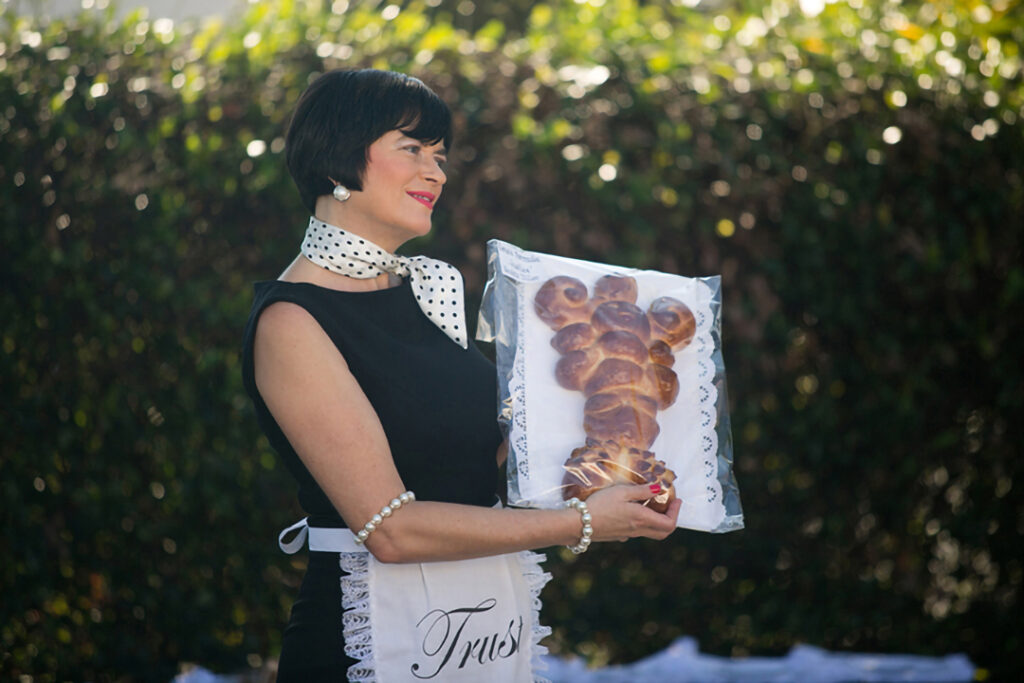
With EENA’s Formula (Palm Beach, 2013) a seven-day structure organized around virtues and nourishment further positioned the body as operative agent within an ethical and relational framework.
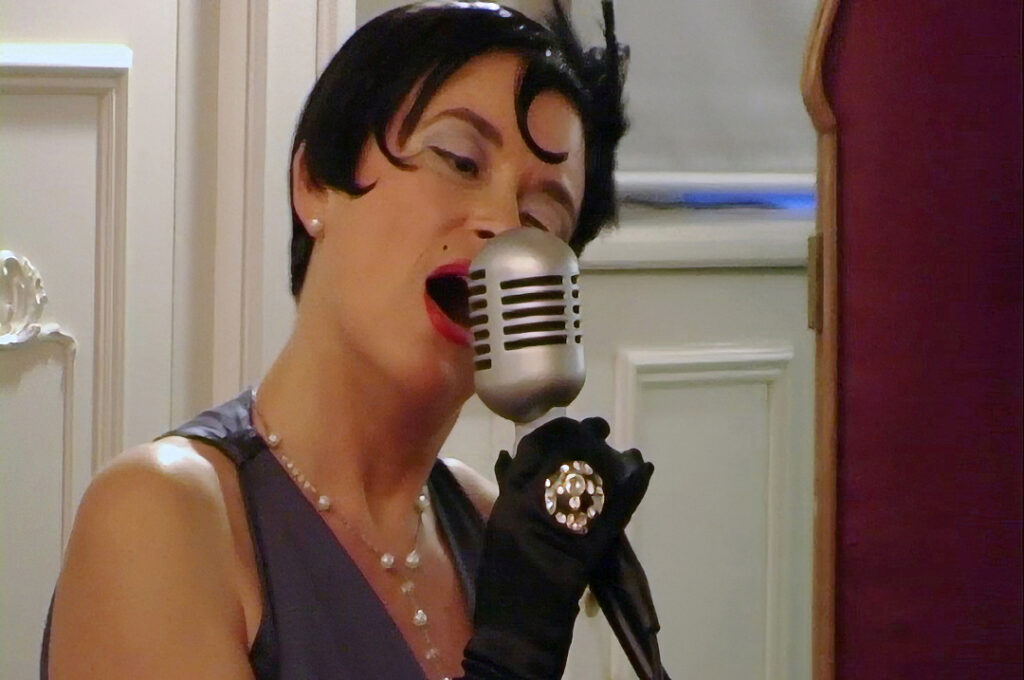
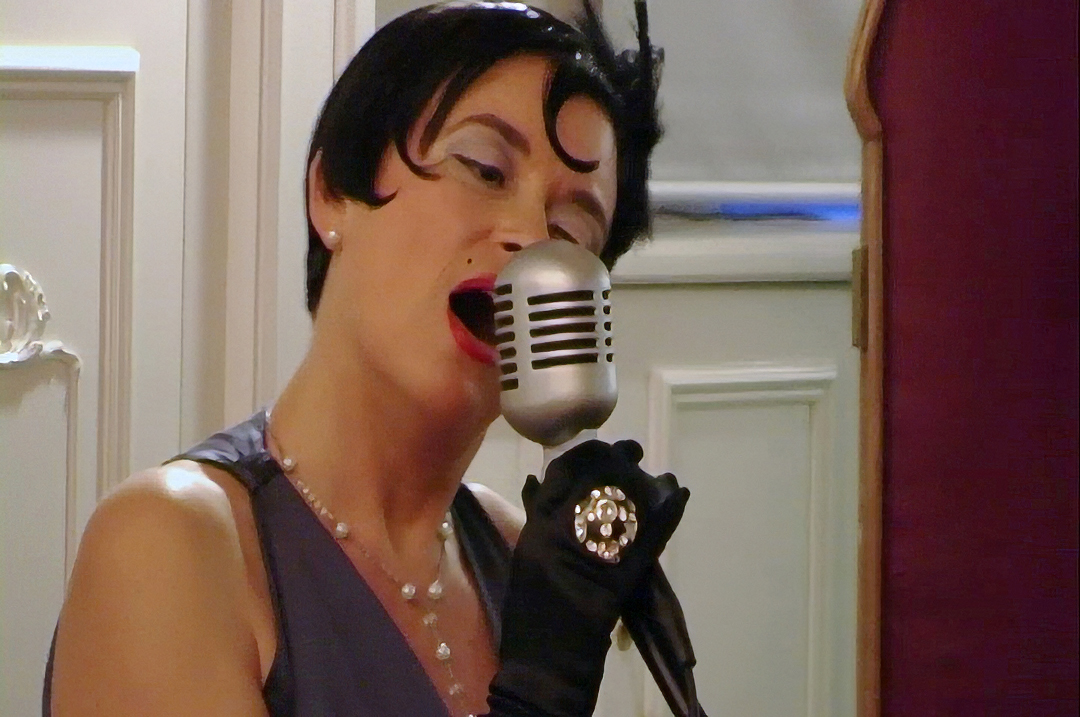
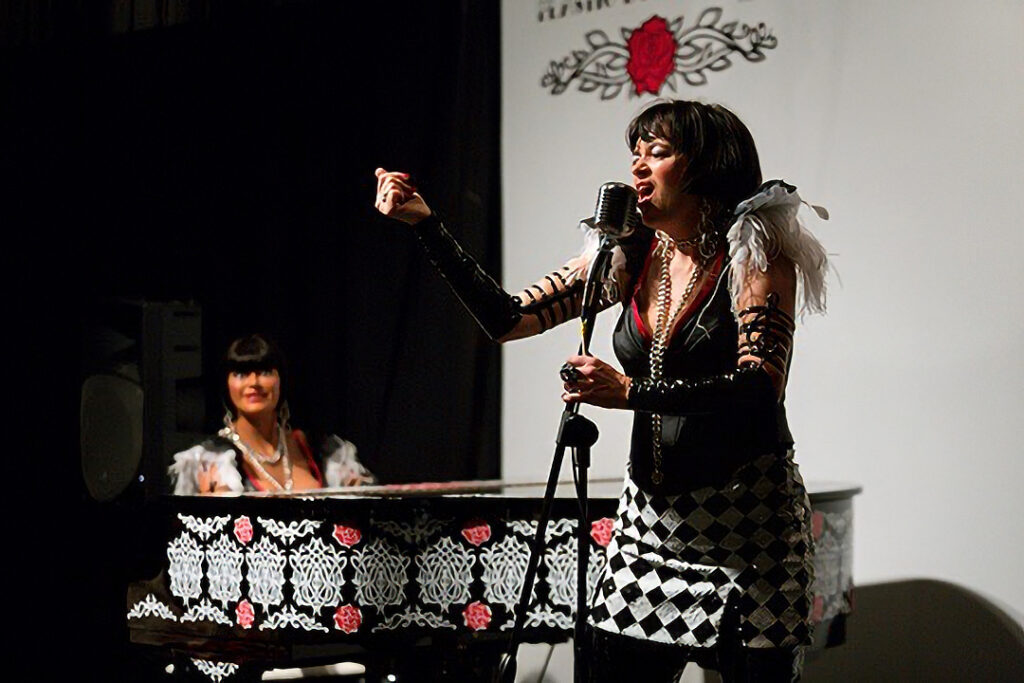
Two years later, again in Palm Beach, Plastic Dorianne in Love (2015) developed a performative alter ego engaged in musical interpretation, drawing on the repertoire associated with Marlene Dietrich. Identity was approached as mutable configuration rather than fixed role.
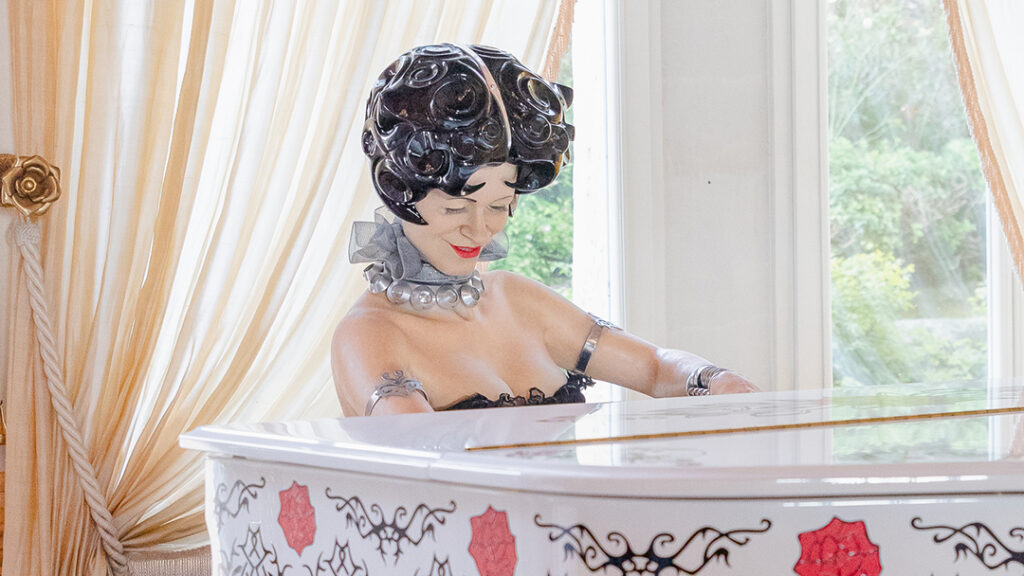
Most recently, Juliet the B-Boop (2023) introduced a performative sculpture: a woman-robot figure capable of speech and response exclusively to its creator. The work merges performativity with technological mediation.
Across this trajectory, identity is generated rather than represented. Each performance functions as a constructed act of embodiment in which the body operates simultaneously as author, medium, and object.
Clown Clone and the Piano Tattoo 2007
Lux Mater 2012
Eena's Formula 2013
Plastic Dorianne in Love 2015
Juliet the B-Boop 2023
Performance_Blue(S)Stin