
Ma’aseh Merkabah (1991–1997) – An Interior Journey
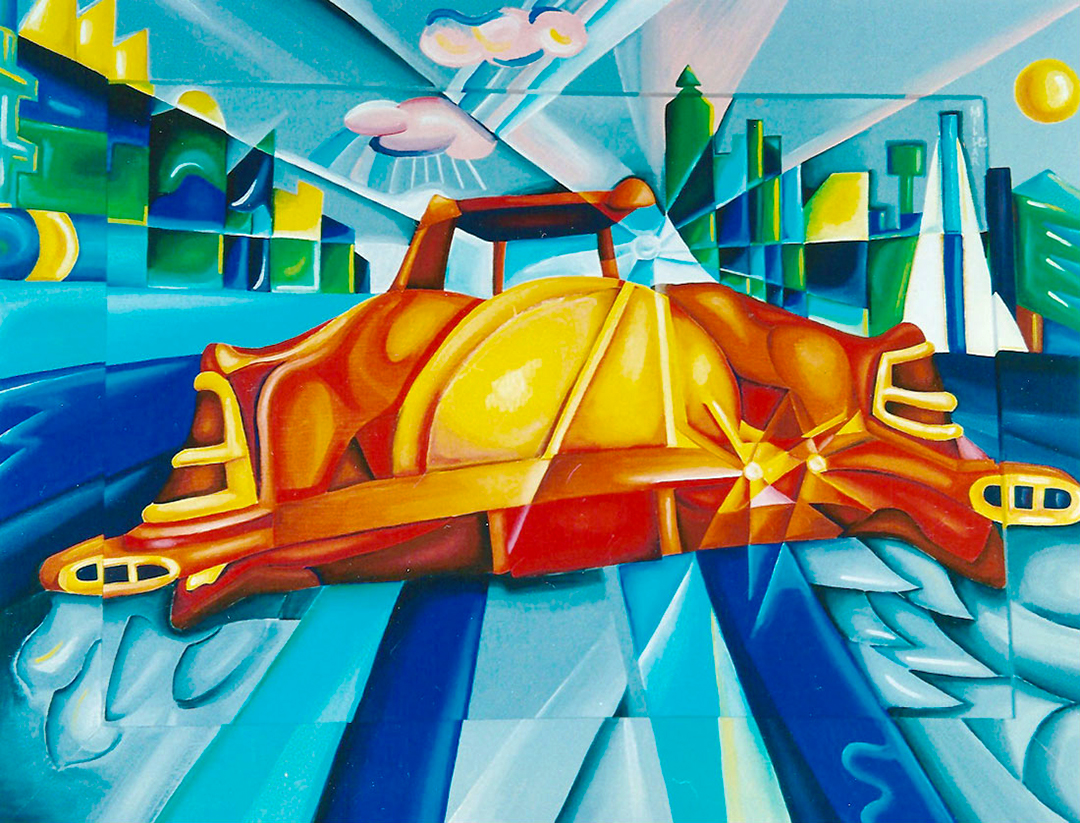
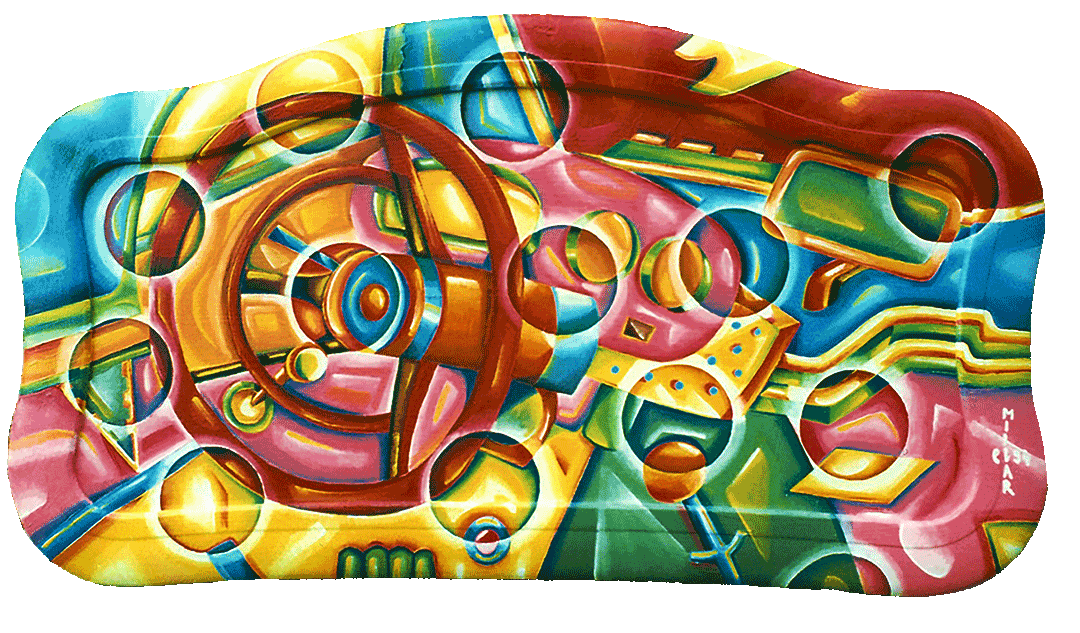
In Ma’aseh Merkabah, Beatriz Millar extends the investigation initiated in Body and Cloud, focusing on the relationship between mental intention and physical form. Movement becomes the central conceptual element, understood as the manifestation of a guiding consciousness acting upon the body.
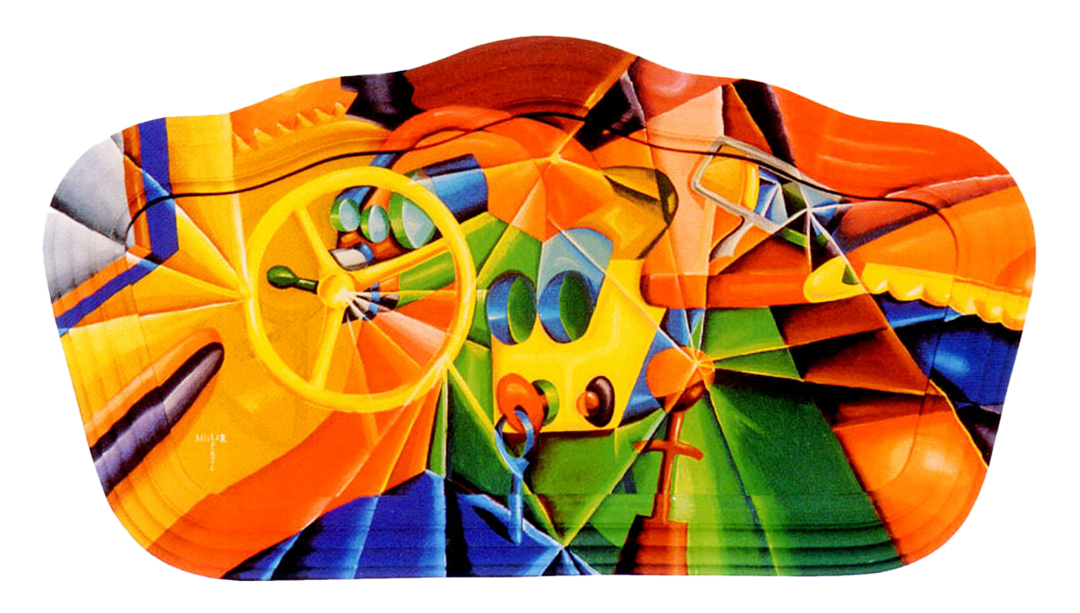
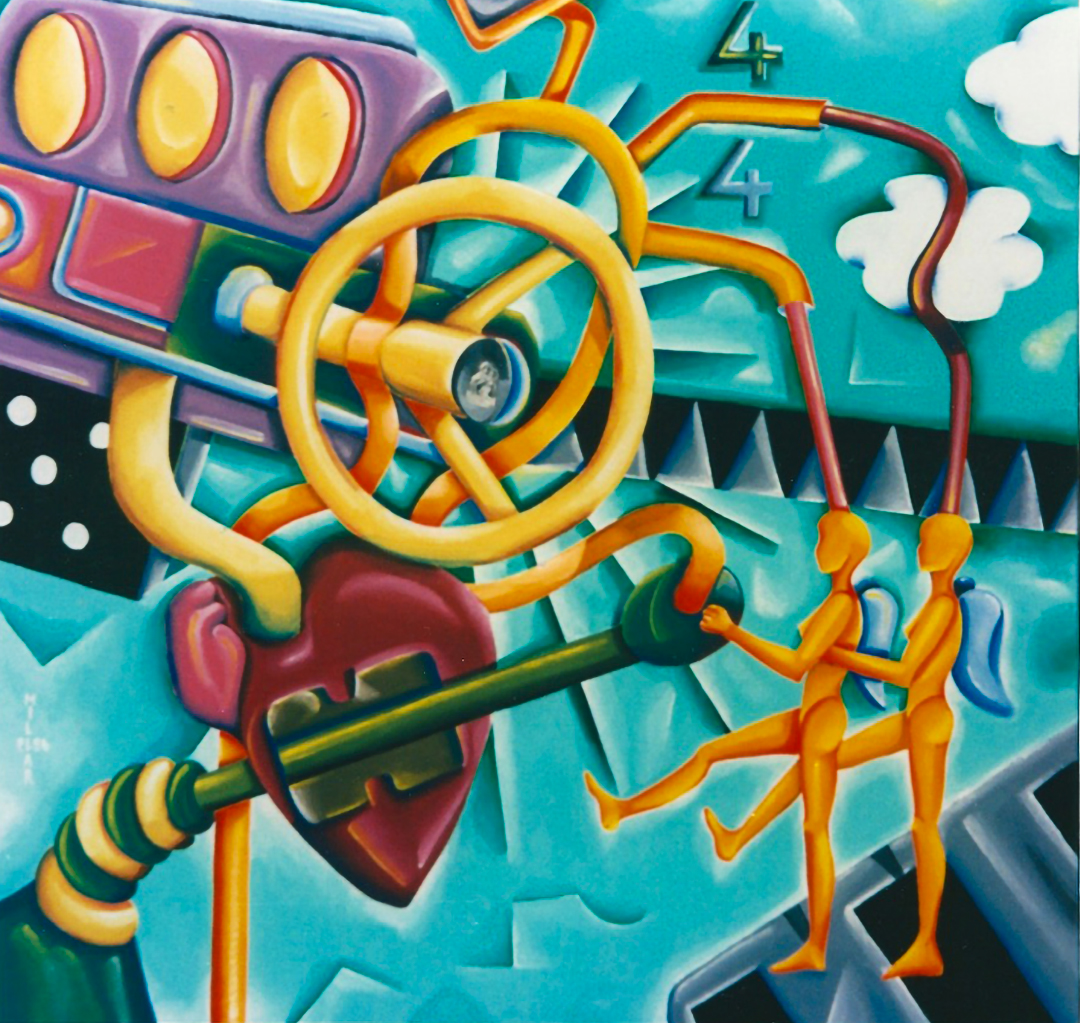
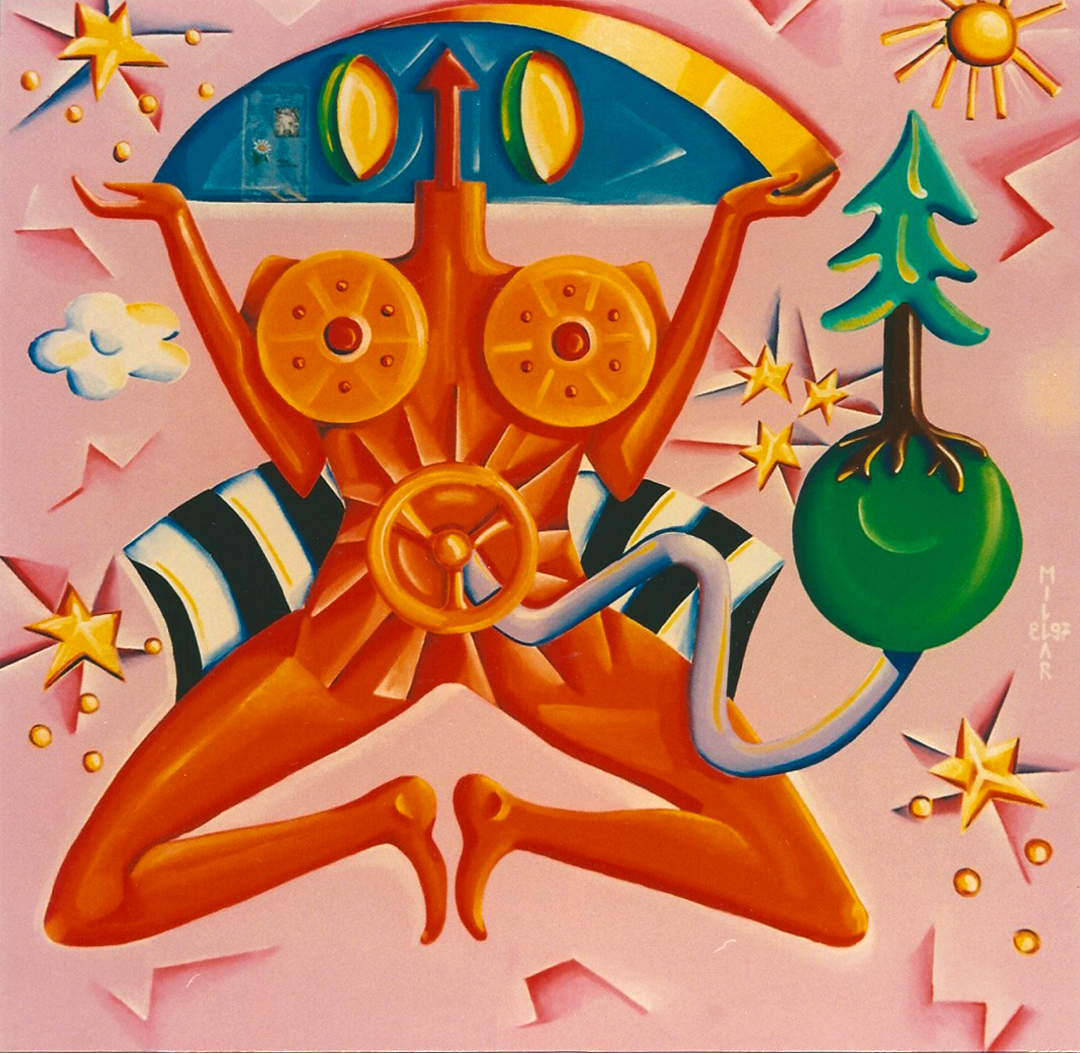
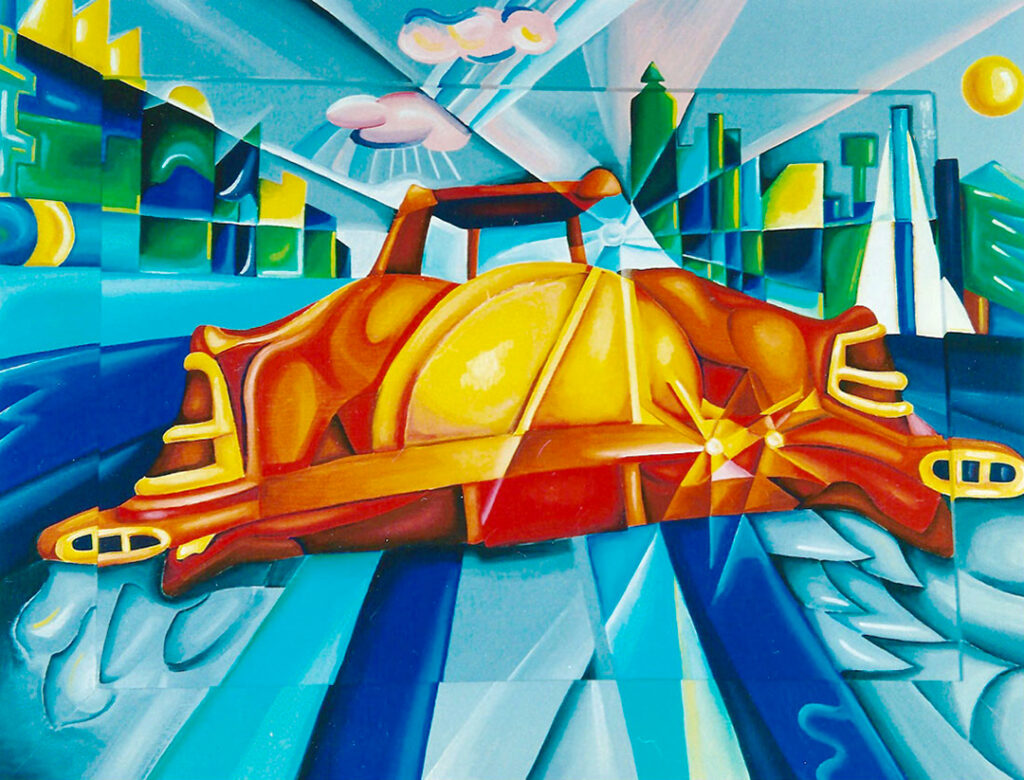
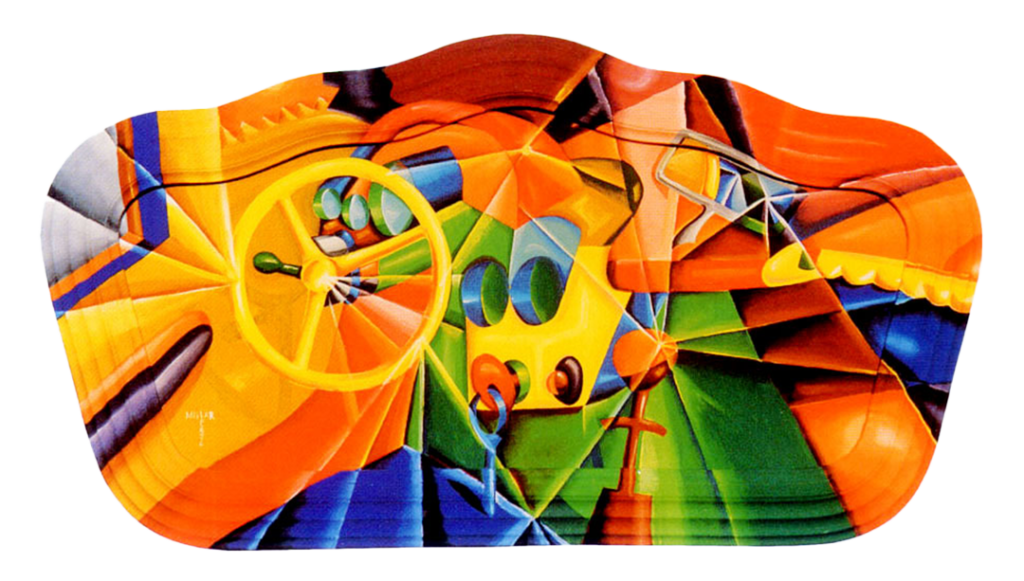
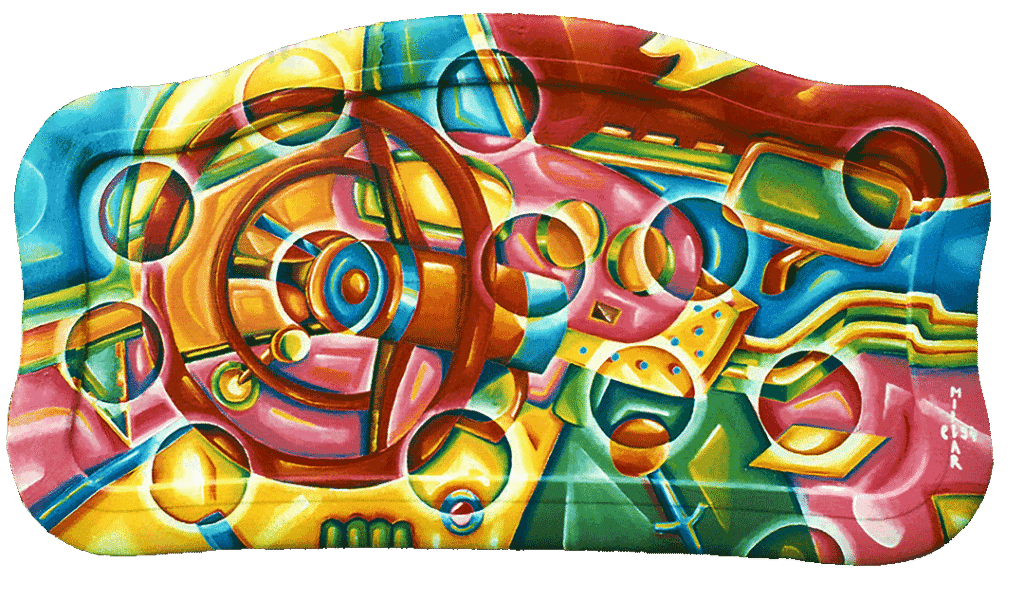
Many compositions feature a steering wheel positioned at the center, functioning as a symbolic axis. It represents direction, agency, and deliberate orientation. Surrounding elements—seat, gear shift, dashboard—are recontextualized through narrative and ironic inflections that expand the interpretative framework.
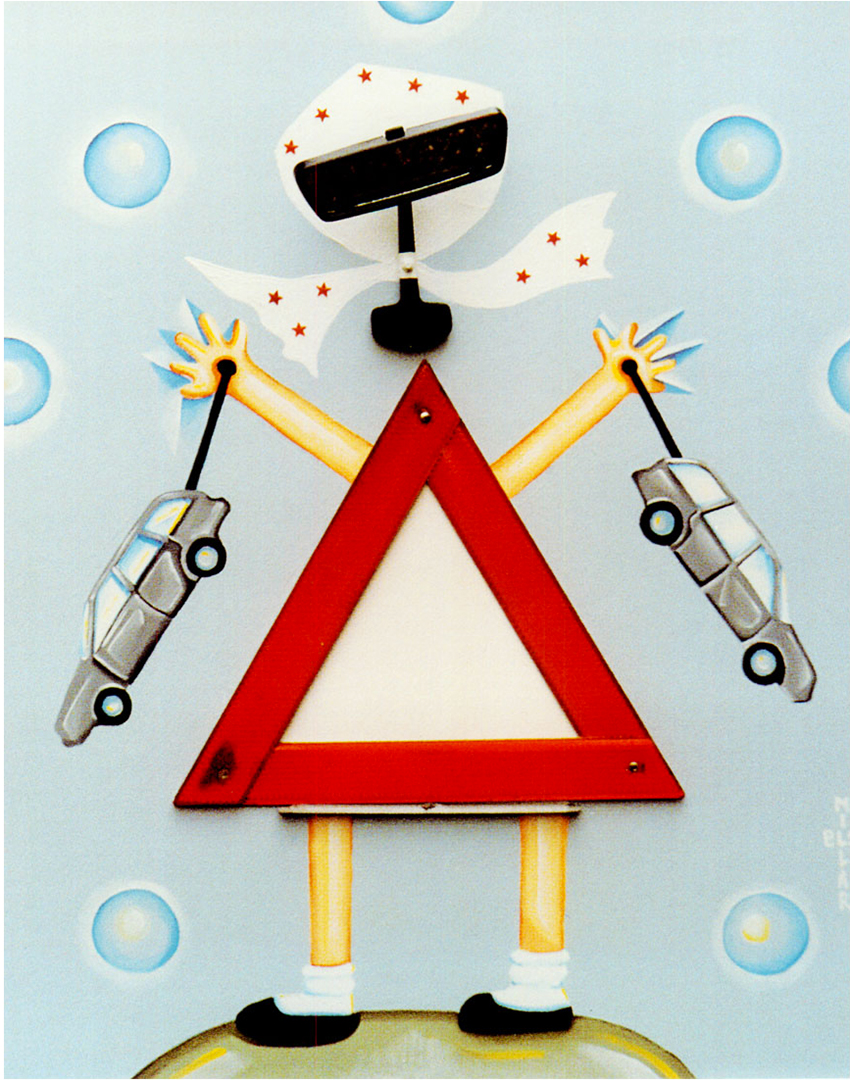
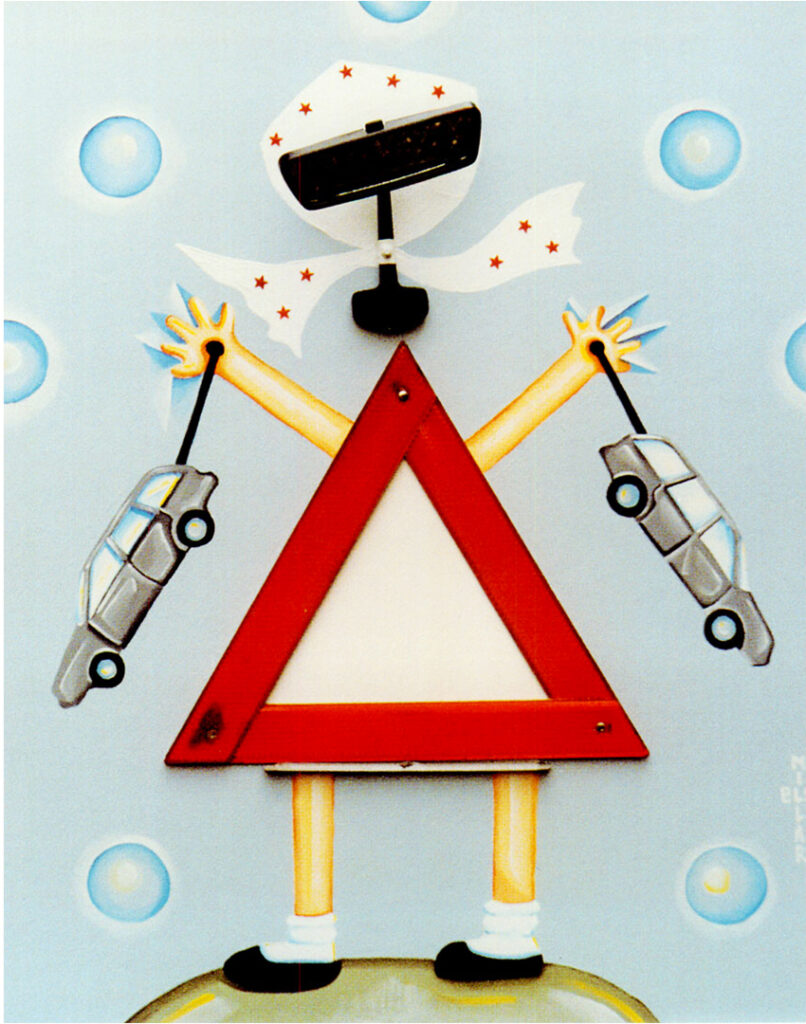
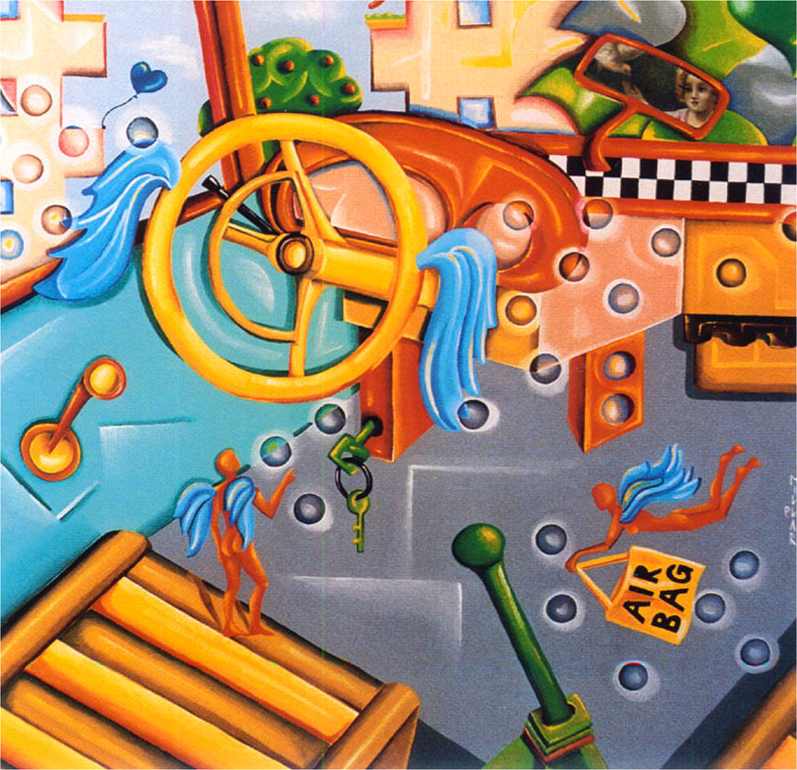
In works such as Airbag, the safety device transforms into a formation of airborne angels. In Petra Pane, a triangular skirt operates as a warning sign, marking a threshold between childhood and adulthood. Eyes become rear-view mirrors; a scarf carries small plastic stars. Everyday objects are repositioned as symbolic indicators of a metaphysical dimension.
Each work contains, on its reverse, a rhymed poetic text that functions as a conceptual underpinning and connects the imagery to teachings associated with the Qabbalah. This layer introduces a structured metaphysical reference within the cycle.
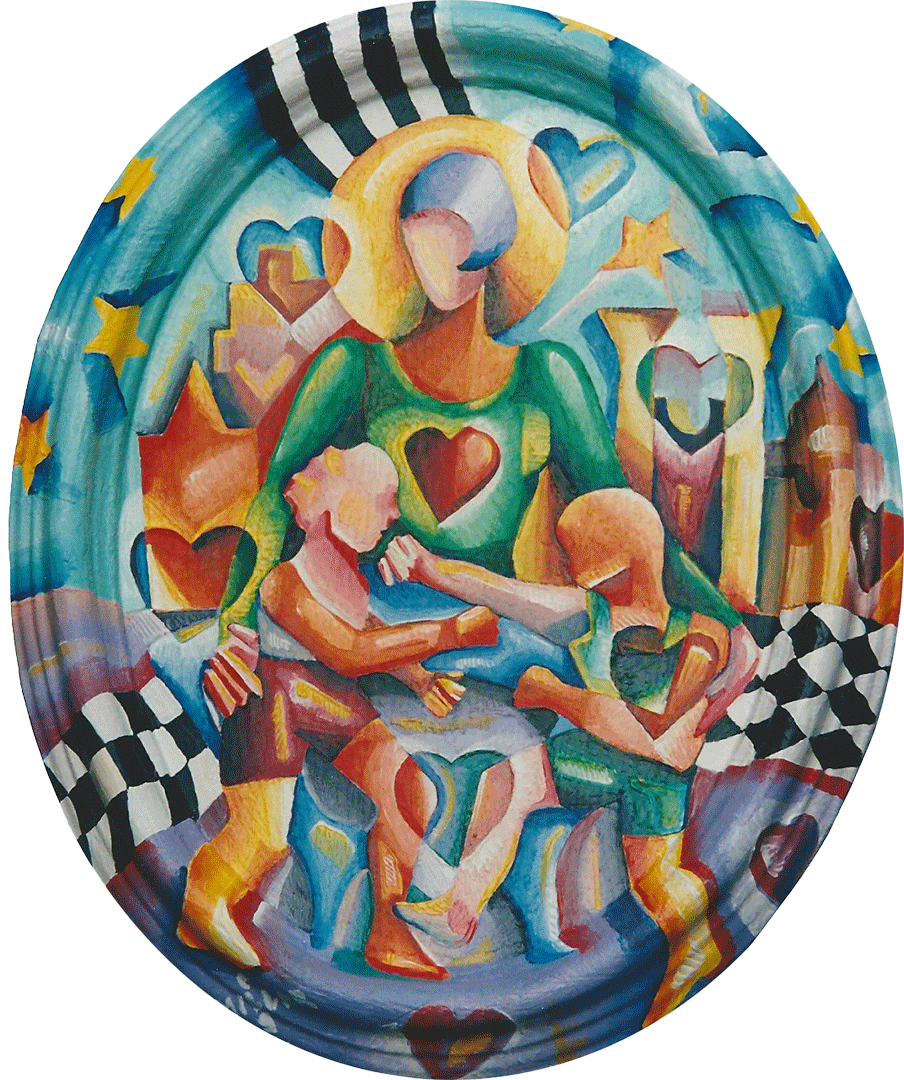
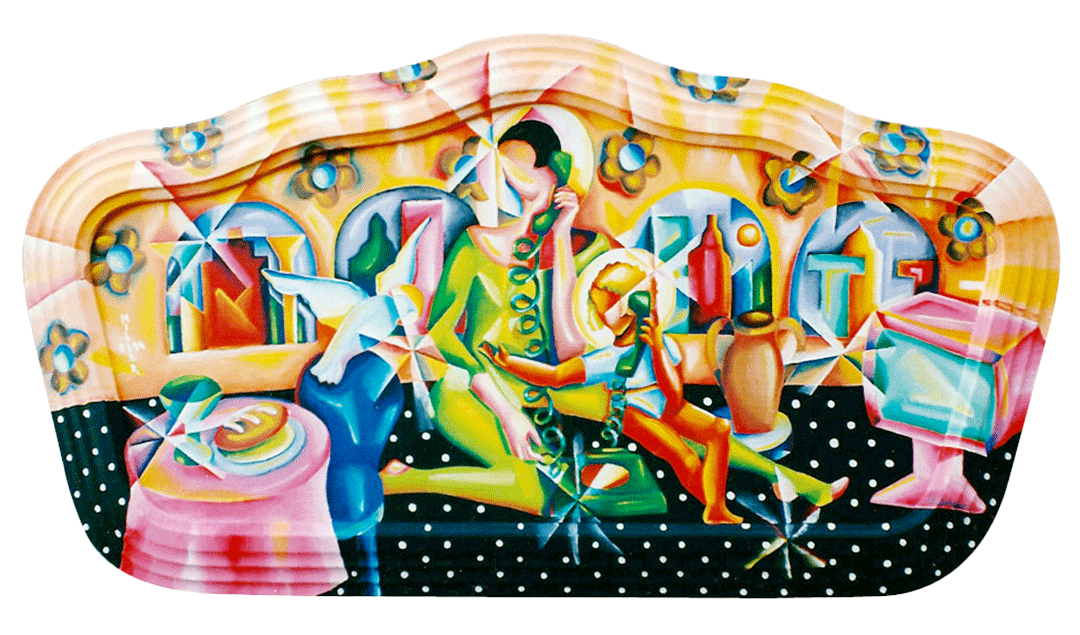
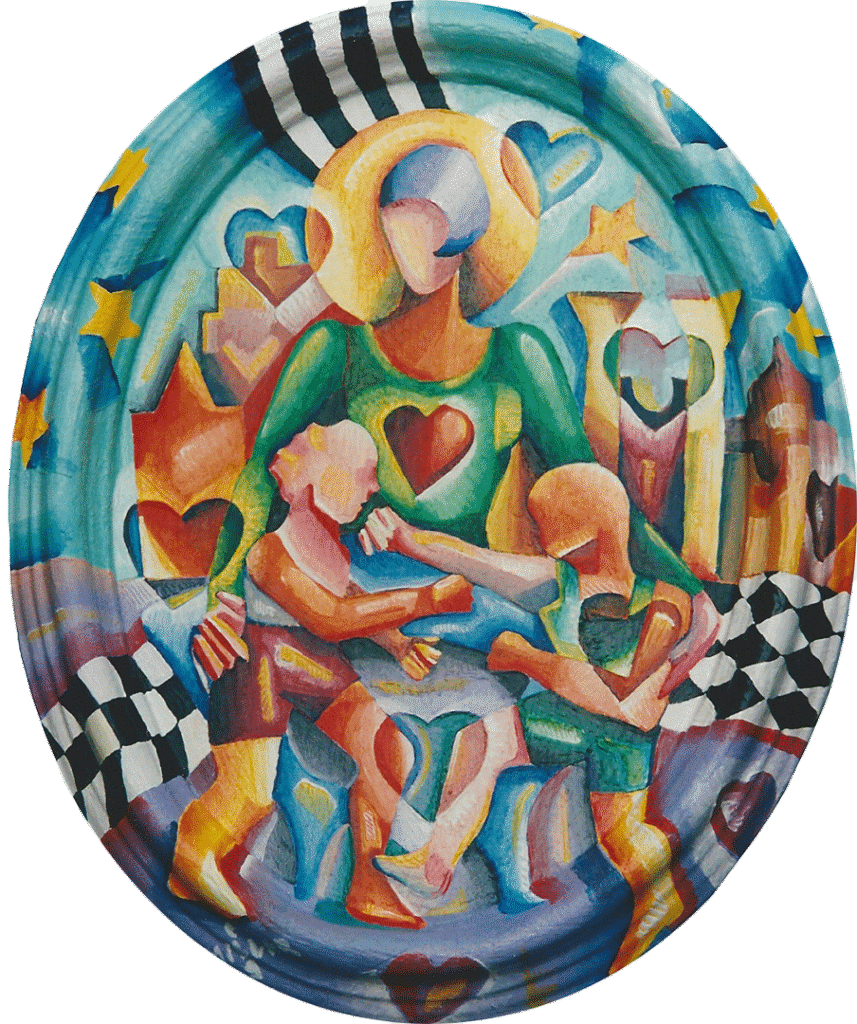
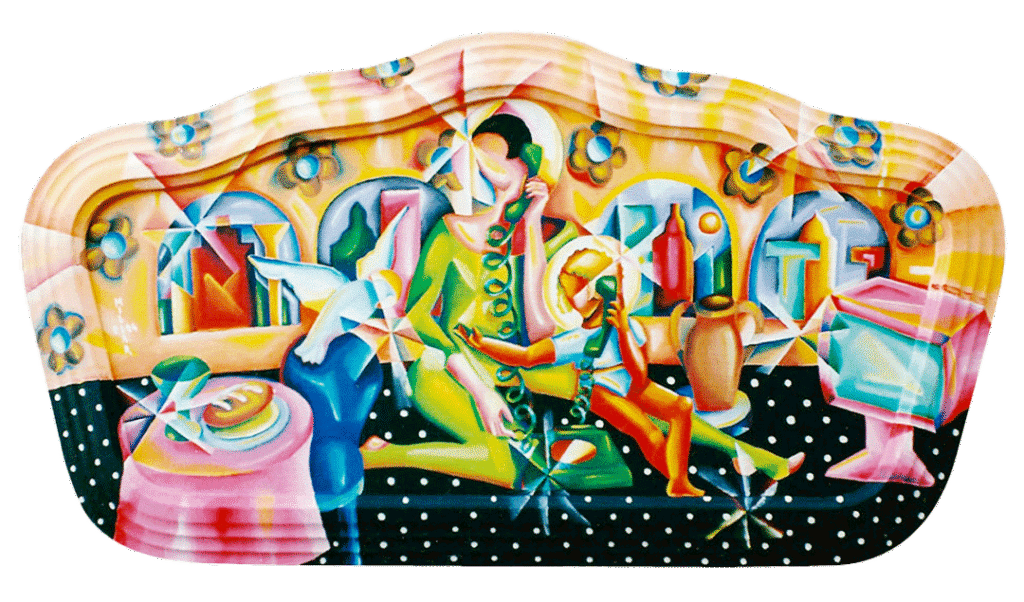
Prior to the development of larger works, Millar produced smaller-format experiments in which she painted the frames as integral components of the composition, extending the image beyond conventional pictorial boundaries. Works from this phase include Leader, Che Santo!, La Madonna dei Litiganti—in dialogue with Bronzino—and Spiritual Contact, where the Madonna holds the Child alongside a telephone, reconfiguring sacred iconography within a contemporary visual language.
Ma’aseh Merkabah presents a structured inquiry into direction, transformation, and agency. The “chariot” implied in the title becomes a conceptual vehicle for examining self-determination within symbolic space.
American Dream 1991
Che Santo! 1992
La Madonna dei Litiganti 1994
Spiritual Contact 1994
Leader 1994
Petra Pane 1995
Airbag 1995
Heikhalot 1995
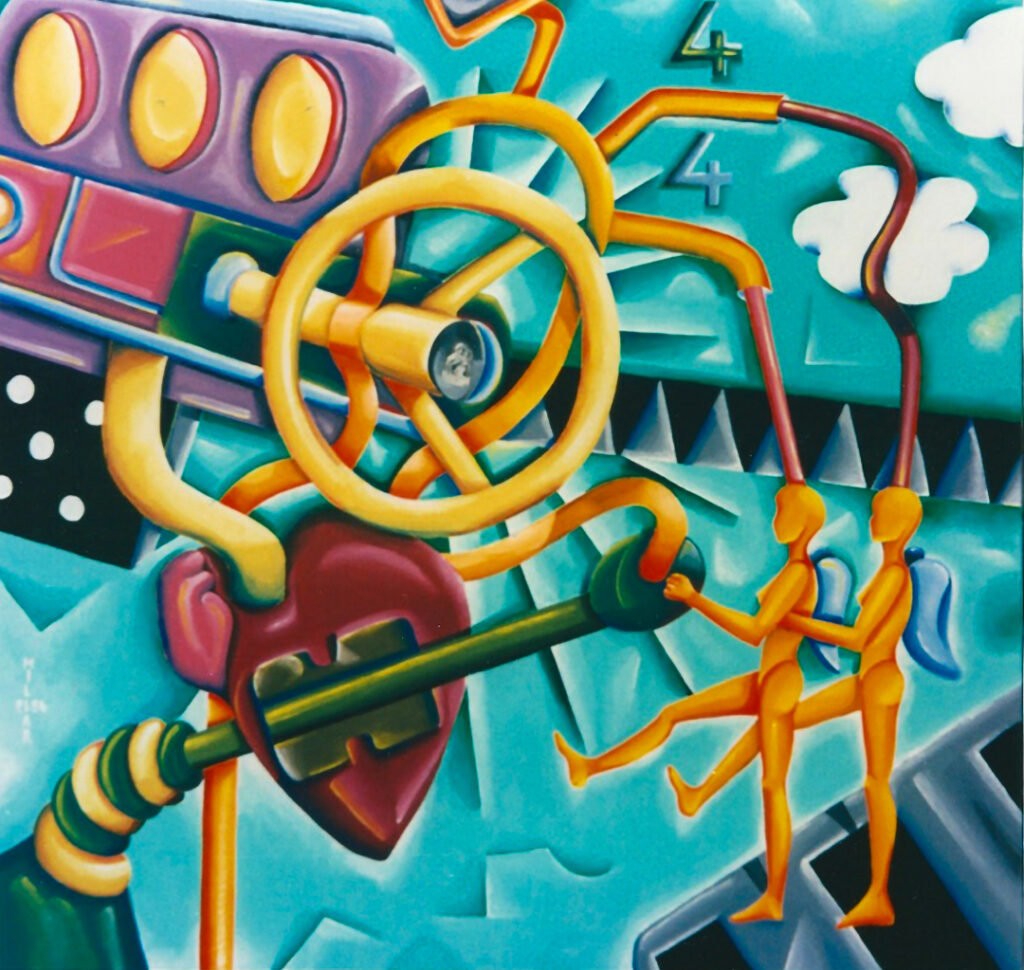
Starcookies 1997
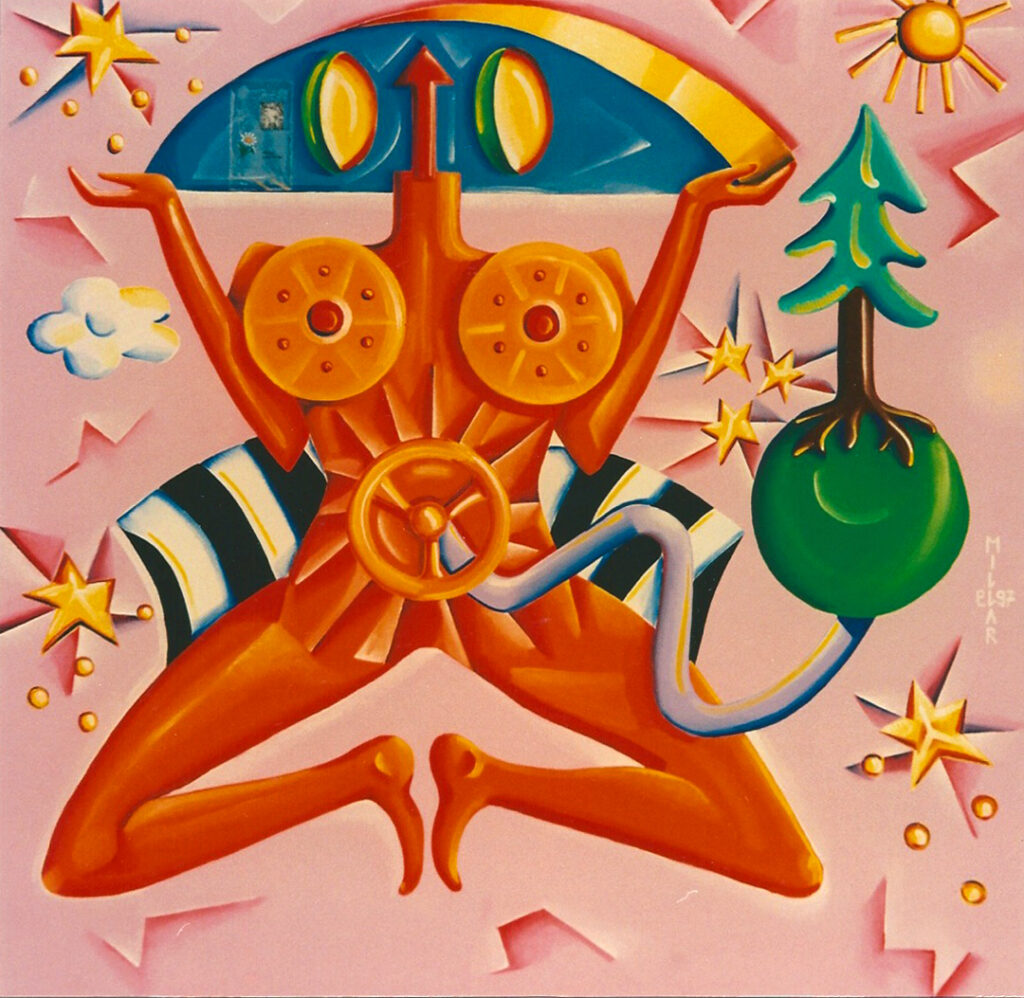
Leader